
Tiger Woods Is Hitting Golf Balls Again — What Does a Real Comeback Require?
Tiger Woods is hitting golf balls in public again.
On September 15, 2026, Woods was filmed hitting irons on the range at Liberty National in New Jersey while hosting the NEXUS Cup, a fundraiser for his TGR Foundation. It was the first public footage of him hitting balls since the March car crash that led to his arrest and months away from competition. During a clinic, Woods said, “I can hit pretty much anything.”
That single swing was enough to restart a familiar question: Is Tiger Woods coming back?
Maybe. But a range session answers a much smaller question than the internet wants it to answer. It shows that he can hit golf balls again. It does not tell us whether he will return to tournament golf, what that return would look like, or how the rest of his life is being rebuilt after a serious public setback.
One important distinction: this article uses “recovery” in the broad sense of rebuilding after disruption. It does not diagnose Woods with a substance-use disorder, define his private treatment, or claim that he is “sober.”
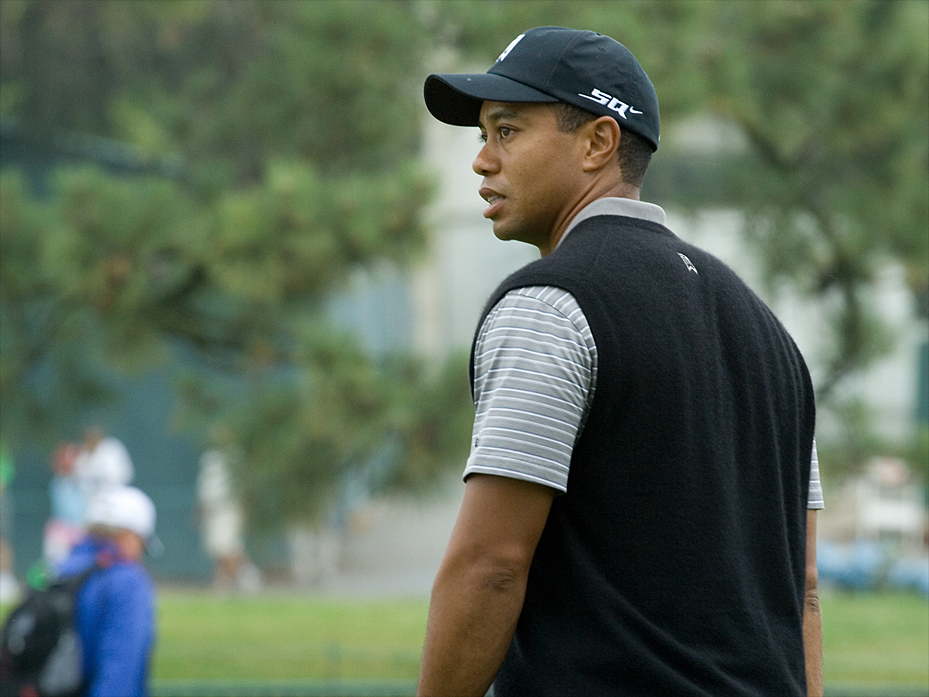
What happened with Tiger Woods at Liberty National?
Woods was at Liberty National for the NEXUS Cup, an annual event that benefits the TGR Foundation. Golf Digest reported that he was seen hitting an iron on the range on Tuesday, September 15. Sky Sports later reported that the PGA Tour released footage of the session and that Woods told the clinic audience he could hit “pretty much anything.”
What Woods has not done is announce a competitive return date. That matters. A public practice session is a real step, but it is not the same thing as a tournament schedule.
The timing also comes only two weeks after the legal case connected to his March rollover crash was resolved. On September 2, Woods pleaded no contest to a reduced reckless-driving charge and refusing a lawful test. The original DUI accusation was dropped. The Associated Press reported that prosecutors said toxicology evidence did not establish impairment; Woods received fines and a five-year driver’s-license suspension.
Those are the verified facts. They are enough to make this a comeback story without adding a diagnosis or a redemption narrative that Woods himself has not claimed.
Why did one range video get so much attention?
Because “Tiger is back” is one of sports culture’s most durable stories.
A large r/golf discussion about the Liberty National clip passed 1,400 upvotes within roughly a day. Some commenters immediately imagined another return to competition. Others were much more cautious, saying they would rather see Woods healthy than force another comeback narrative. There were also jokes and speculation about the March crash and medication — none of which should be treated as evidence about Woods’s health or treatment.
The disagreement underneath the comments is more interesting than the jokes: What counts as being back?
For fans, “back” often means visible performance. Hit the shot. Enter the tournament. Win again. Look like the person we remember.
For the person actually rebuilding, the important work may be much less visible.
A comeback is a public event. Rebuilding is usually private.
I understand why people want the cinematic version of this story. Woods has already given golf one of the most famous comeback arcs in modern sports. We know how to watch that story: setback, struggle, return, applause.
Real life is usually messier.
Accountability does not become complete because someone looks good doing the thing that made them famous. Physical progress does not automatically settle legal consequences. Returning to work does not prove that every private problem has been solved. And a person does not have to recreate an old version of himself for progress to be real.
That distinction matters far beyond Tiger Woods.
Anyone who has had to start again after addiction, grief, illness, a relationship collapse, financial trouble, a public mistake or another life disruption knows the pressure to produce visible proof that everything is better. People want the before-and-after photo. The return-to-work date. The milestone. The reassuring version of you.
But the harder question is often: What has actually changed when nobody is applauding?
OliviaC: the most convincing comeback may be the one that does not look like the old life
OliviaC reflection: I think we sometimes confuse restoration with repetition.
When someone has been knocked out of an old life, the instinct is to measure progress by how closely the new life resembles the old one. Can he still swing like Tiger? Can she still work like before? Can I go back to the same places, handle the same pressure, keep the same relationships, live the same schedule?
But “I can do the old thing again” and “I have built something healthier” are not necessarily the same sentence.
That is especially familiar in recovery. A second chance is not valuable because it lets us erase the first chapter. It is valuable because we can meet the next chapter with more truth, more structure and better limits.
Woods may eventually play competitive golf again, or he may not. The range video cannot answer that yet. What it can remind us is that beginning again often starts long before anybody knows whether the ending will look impressive.
If you are rebuilding something in your own life, maybe the question is not “How fast can I become my old self again?” Maybe it is: What would I want to be different this time, even if nobody else can see it yet?
For a recovery-focused look at that kind of reset, read How to Begin Again Without Shame.
Continue the Story


Go Deeper


Sources
Golf Digest — Woods returns to the range at Liberty National
Sky Sports — PGA Tour footage and Woods’s clinic comments
Associated Press — September 2 plea agreement and legal case
Reddit r/golf — public discussion around the Liberty National range clip
Wikimedia Commons — archival image and CC BY 2.0 license