
Why Did Judy Garland Throw Her Pills Into the East River? What Liza Minnelli’s New Letter Reveals
A newly shared family letter has added a private moment to the public story of Judy Garland’s struggle with prescription drugs. Liza Minnelli posted part of a letter written by her father, director Vincente Minnelli, describing a walk along New York’s East River during his honeymoon with Garland in 1945.
According to Vincente’s account, Garland had told him before their marriage that she knew she was taking too many pills and intended to stop. During the honeymoon walk, she pulled bottles of prescription medicine from her handbag and threw them into the river while asking him to hold her hand.
It is a vivid scene. It is also easy, decades later, to turn a moment like that into a simple recovery story: she made a promise, discarded the pills, and chose a new life. Garland’s actual history was much harder and longer than one symbolic act.
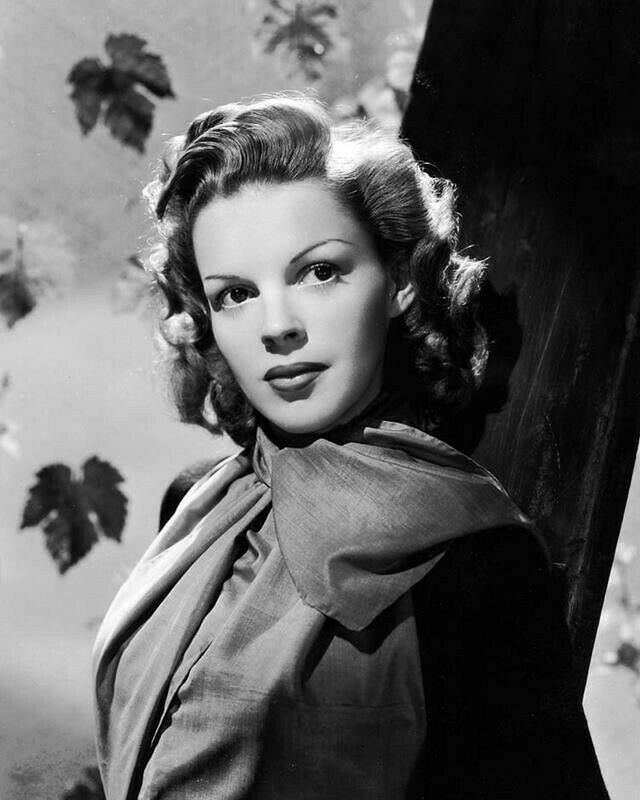
Why did Judy Garland throw her pills into the East River?
The story comes from a letter Vincente Minnelli later wrote to his daughter Liza about his marriage to Garland. He recalled that Garland acknowledged she was taking too many pills and believed that, with his protection and support, she would stop.
On their New York honeymoon, Vincente wrote, Garland asked him to hold her hand and then swept the prescription bottles from her handbag into the river. He remembered the gesture as an extraordinary gift of trust and hope between them.
Liza has now shared that passage as part of a series of family stories, letters and recordings. She said she wanted people to understand how hard and how long her mother fought substance use disorder, not reduce Garland to the circumstances of her death.
Did throwing the pills away mean Judy Garland was sober?
The letter documents a powerful intention. It does not give us enough information to turn one moment in 1945 into a clinical judgment about Garland’s sobriety or recovery.
What is known is that Garland continued to struggle with substance use over the course of her life. She died in 1969 at age 47 from an accidental overdose.
That does not make the East River moment meaningless. It makes it human. People can mean a promise deeply and still need far more than willpower, love or one dramatic decision to sustain change.
Why do dramatic promises feel so convincing?
When someone we love is struggling, visible gestures can feel reassuring. Throwing something away, making a vow, announcing a new beginning or saying “never again” gives everyone a clear moment to hold onto.
But recovery usually has to survive ordinary Tuesdays, stress, grief, access, habits, relationships and the return of old urges. The work is often much less cinematic than the promise.
That distinction matters for families too. Support can be valuable, but another person cannot become the proof that recovery will last. Love is not a treatment plan, and a loved one should not have to function as a permanent guardrail.
What Liza Minnelli’s story adds to the picture
Liza’s decision to share the letter is especially striking during National Recovery Month because she has also spoken recently about her own long-term vulnerability to substance use disorder. The family history does not read like a clean before-and-after story. It reads more like what many families recognize: love, fear, hope, repetition, support and survival existing together.
CWM already explored Liza’s present-day perspective in Liza Minnelli Says She Still Feels Vulnerable to SUD at 80. Judy’s East River story adds an earlier generation to the same larger question: what does durable recovery require after the emotional promise has been made?
OliviaC: a promise can be sincere without being sufficient
OliviaC reflection: I think people sometimes judge recovery promises in only two ways. If the person never uses again, we call the promise real. If they struggle again, we say they did not mean it.
Life is usually more complicated.
A person can desperately mean “I want this to stop” and still not yet have the structure, support, treatment, distance, skills or stability needed to make that intention durable. The later struggle does not automatically prove the earlier hope was fake.
That is one reason recovery is better understood as a process than a performance. You do not have to keep producing dramatic evidence for everyone around you. And the people who love you do not need to confuse vigilance with support.
The quieter questions may matter more: What happens after the promise? Who can you call on a bad day? What changes in the environment? What support remains when motivation is ordinary? What makes it easier to choose the next right thing again tomorrow?
A symbolic moment can start something. It should not have to carry the entire weight of recovery by itself.
For a practical look at what comes after the decision to stop, see You Got Sober. Now What? How to Rebuild a Life After Addiction.
Continue the Story


Go Deeper


Sources
Entertainment Weekly — Liza Minnelli shares the East River story from Vincente Minnelli’s letter
People — Liza Minnelli shares an intimate letter about Judy Garland
Parade — details from Vincente Minnelli’s letter
Wikimedia Commons — archival Judy Garland publicity portrait and public-domain status